Slot Machine Engineering: Inside UK Factories and British Design
Behind every spin and chime of a casino slot machine lies a story of British engineering heritage, where precision CAD/CAM meets robust industrial design. Far from mere boxes of flashing lights, these complex electro-mechanical systems are born from the same tradition of innovation and durability that propelled British automotive icons like London Taxis and land speed record challengers. Today, from design studios in London to manufacturing floors in the Midlands, UK engineers fuse this legacy with digital mastery to create the world’s most reliable and engaging gambling hardware, setting a global standard for performance and integrity.
The British Engineering Heritage in Modern Slot Machines
The DNA of a modern British-built slot machine is inextricably linked to the nation’s historic prowess in high-performance and mass-market engineering. The principles of designing for relentless, fault-tolerant operation underpin both London Taxi drivetrains built for millions of miles and the slot mechanisms that must cycle flawlessly for decades on a bustling casino floor. This culture of over-engineering for endurance, coupled with the elegant problem-solving seen in BRM racing cars and the Bluebird projects, directly informs the approach to component design, material selection, and system integration in gaming hardware. This transition was catalysed by a pivotal legislative change.
From Grand Prix to Jackpot: Racing’s Influence
The quest for split-second reliability in Formula 1 and the uncompromising safety margins of land speed record vehicles established a mindset. UK engineers applied these lessons to gaming hardware, prioritising fail-safes, heat dissipation in tightly-packed electronic cabinets, and the use of high-grade alloys for moving parts. The focus shifted from aerodynamic efficiency to user interface ergonomics, but the core tenet remained: design for extreme, repetitive use under public scrutiny without failure.
The Regulatory Shift: The 2005 Gambling Act’s Impact
The 2005 Gambling Act revolutionized UK gaming hardware manufacturing by creating a regulated, open market. It moved licensing from local authorities to a national framework under the UK Gambling Commission, mandating stringent technical standards for all machines. This triggered a surge in domestic R&D and precision manufacturing, as companies invested in UK facilities to design and build machines that complied with, and often exceeded, the new rules for fairness, security, and player protection.
CAD Design: The Digital Blueprint of Chance
Before a single metal chip is cut, the entire slot machine exists in meticulous digital detail. Our engineering team utilises advanced Computer-Aided Design (CAD) software to model every component, from the robust cabinet chassis designed to withstand physical stress, to the sub-millimetre intricacies of the reel mechanism and electronic board layouts. This digital twin is the single source of truth, enabling flawless integration of mechanics, electronics, and aesthetic casing.
Modelling the Cabinet: Form Meets Function
The cabinet is the machine’s skeleton and skin. CAD allows designers to balance aesthetic appeal with critical practical requirements:
- Structural integrity to resist impact and weight load.
- Precise mounting points for monitors, button decks, and door assemblies.
- Internal airflow channels for cooling sensitive electronics.
- Integration of security features and service access points.
Software like Siemens NX CAD, widely used in UK precision engineering sectors from aerospace to automotive, is instrumental here for its superior parametric modelling and assembly management capabilities.
Virtual Prototyping for Mechanics and Electronics
With the digital model complete, virtual prototyping begins. Engineers run motion simulations to ensure reel spins are smooth and mechanisms like hoppers and ticket printers won’t jam. They perform finite element analysis (FEA) on stressed components and plan the routing of every wire and cable. This virtual validation saves months of physical prototyping, ensuring that when the first physical prototype is built, it is 95% of the way to a production-ready design.
CAM Precision: Machining the Components of Fortune
Once designs are signed off, Computer-Aided Manufacturing (CAM) takes centre stage. CAM software translates 3D CAD models into machine code (G-code) that drives CNC mills, lathes, and routers. This is where digital precision becomes physical reality, producing the high-tolerance parts that define a machine’s reliability. UK-based manufacturers, including global players like Inspired Entertainment which has major hardware development facilities in the UK, leverage this technology to produce everything from complex aluminium chassis frames to delicate steel reel stops and hardened coin entry paths.
CNC Machining for Critical Internal Parts
The heart of the slot machine is a symphony of precisely machined parts. CNC machining centres craft:
- Reel Assemblies: Perfectly balanced drums and precise index mechanisms for accurate symbol alignment.
- Coin and Validator Mechanisms: Parts with exceptionally tight tolerances to authenticate currency and prevent fraud.
- Connector Plates and Brackets: Ensuring every sub-assembly aligns perfectly within the cabinet.
These components are typically machined from aircraft-grade aluminium, stainless steel, and engineering plastics, chosen for their longevity and consistent performance.
Finishing and Assembly: The Human Touch
After machining, parts undergo finishing processes like powder coating, anodising, or polishing. Final assembly is where skilled UK technicians bring it all together, installing circuit boards, wiring looms, and mechanical assemblies. This stage combines automated precision with expert human judgement, where technicians calibrate sensors, test each mechanism, and ensure the seamless integration of hardware and software that the digital design promised.
Industrial Design: The UK’s Unique Aesthetic for Gaming Floors
Beyond pure engineering lies the distinct discipline of British industrial design for gambling equipment. This is where function, security, and narrative converge to create an engaging player experience. UK design firms are renowned for crafting hardware that doesn’t just work impeccably but also tells a story and fits the sophisticated ambiance of a modern casino or betting shop.
Ergonomics and Security: Designing for the Casino Floor
Every curve and angle is considered. The button deck must be at a comfortable height and angle for prolonged play. The screen must be glare-free under casino lighting. Simultaneously, the design must incorporate tamper-evident fixtures, locked compartments for cash boxes, and robust construction to deter vandalism. The UK ethos prioritises a discreet, elegant security that maintains the machine’s aesthetic appeal without appearing fortress-like.
Thematic Storytelling Through Hardware
Whether the theme is ancient Egypt, a blockbuster film, or a classic fruit machine, the hardware sells the fantasy. British designers excel at using material textures, custom light guides, shaped cabinets, and even bespoke button feels to immerse the player. The physical machine becomes an integral part of the game narrative, a philosophy that sets UK-designed slots apart on the global gaming floor.
Testing and Compliance: Ensuring Fair Play and Reliability
A machine cannot earn its place on a UK casino floor without passing the most rigorous testing regime in the world. The UK Gambling Commission licenses and regulates all gambling hardware, mandating independent certification. Specialist test houses, such as BMM Testlabs—a global leader in gaming compliance testing with a significant UK presence—or Gaming Laboratories International (GLI), perform exhaustive analysis.
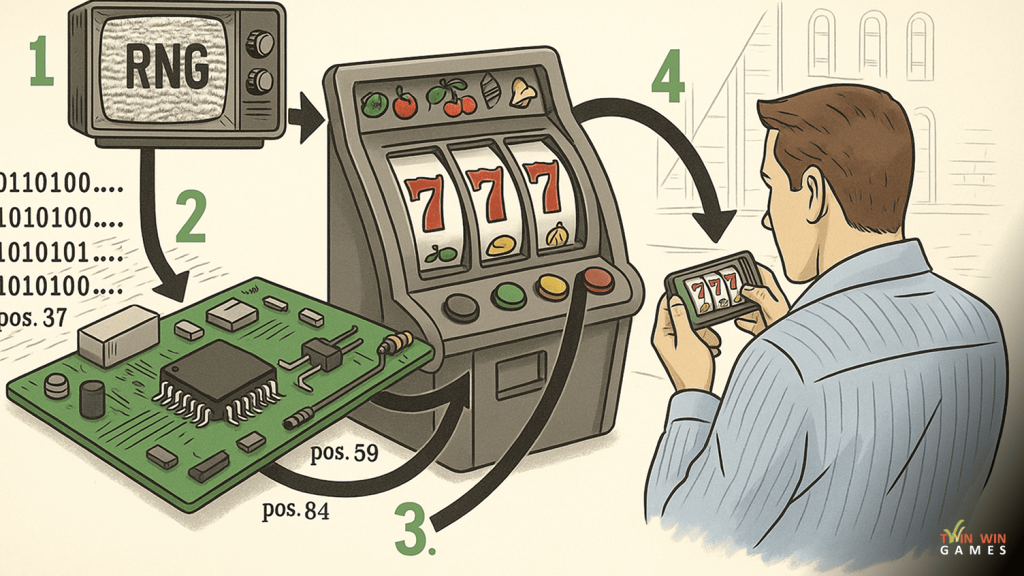
This process validates the integrity of the Random Number Generator (RNG), the absolute cornerstone of fair play, ensuring every spin is truly independent and unpredictable. They also perform source code review, electromagnetic compatibility testing, and durability trials, simulating millions of spins to verify mechanical reliability. Only with this certification can a machine receive the UKGC seal of approval.
In conclusion, UK slot machine engineering represents a unique, world-respected fusion of historic mechanical expertise and cutting-edge digital design. It is a sector where lessons from legendary automotive projects are encoded in CAM programs, where the regulatory rigour of the UK Gambling Commission drives innovation in fairness, and where British industrial design ensures these marvels of technology are not only trusted, but desired. From CAD screen to casino floor, it’s a testament to the enduring power and precision of British engineering.