From Mechanical Reels to HTML5: The Evolution of Slot Machine Hardware
Our team at cad-cam-automotive.co.uk has witnessed firsthand the remarkable technological pivot in the UK’s gambling equipment sector, a journey from intricate clockwork to pure code. As specialists in UK CAD CAM engineering with roots in London taxi engineering and high-performance automotive design, we have a unique appreciation for the mechanical evolution and digital transformation of the British slot machine. The path from the clunk of a lever to the swipe of a touchscreen is a masterclass in applied industrial design, precision engineering, and adaptation to stringent UK standards.
The Age of Ingenuity: Mechanical & Electromechanical Reels
Long before server racks and digital displays, the UK’s amusement arcades and pubs were ruled by ingenious machines of brass, steel, and wood. This era was defined by physical cause and effect, where engineering brilliance was visible and tactile. Iconic British manufacturers like Barcrest, founded in 1968, and Bell-Fruit Games, a major UK supplier based in Nottingham, built their reputations on these robust, reliable machines that could withstand the bustling environment of a British pub or seaside arcade.
Clockwork Complexity: The Heart of the Early One-Armed Bandit
The earliest ‘one-armed bandits’ were marvels of miniature mechanical engineering. Their operation relied on a complex system of springs, levers, gears, and precisely weighted reels. Pulling the lever tensioned a spring, which then set the reels in motion. The eventual stopping position was determined by physical ‘stoppers’ and timing mechanisms, with payout governed by the physical alignment of symbols on the reels. Repair and innovation for these mechanical wonders often centred in specialist workshops, with London’s Soho once a notable hub for arcade machine repair and innovation.
The Electromechanical Leap: Adding Lights, Sounds, and Basic Logic
The next leap integrated simple electrical systems with the mechanical core. Solenoids replaced some mechanical linkages, allowing for features like ‘hold’ functions. Electric lights illuminated winning lines, and basic sound units added celebratory buzzers and bells. Most importantly, electromechanical logic introduced more complex payout calculations and rudimentary anti-tilt mechanisms. This hybrid approach marked the beginning of automation, yet the soul of the machine remained resolutely physical, with outcomes still tied to the spin of actual, physical reels.
The Digital Revolution: The Rise of Video Slots and RNGs
The late 20th century brought a seismic shift as the microprocessor invaded the casino floor. This wasn’t just an upgrade; it was a complete redefinition of what a slot machine could be. The physical reels, and their inherent mechanical limitations, were replaced by graphical representations on a CRT monitor. This digital revolution was pioneered in the UK by companies like Ace Coin Equipment, who embraced the new technology to create games with unprecedented features and themes.
From Physical Reels to Pixelated Screens
The move to video screens liberated game designers. No longer constrained by 20 stops on a physical reel, they could create games with hundreds of virtual symbols, multiple bonus rounds, and elaborate animated storylines. The iconic lever became a vestigial button, as the ‘spin’ was now initiated electronically. The cabinet’s purpose began to shift from housing a complex kinetic machine to presenting an engaging audio-visual experience.
The RNG Core: Ensuring Fair Play Through Digital Logic
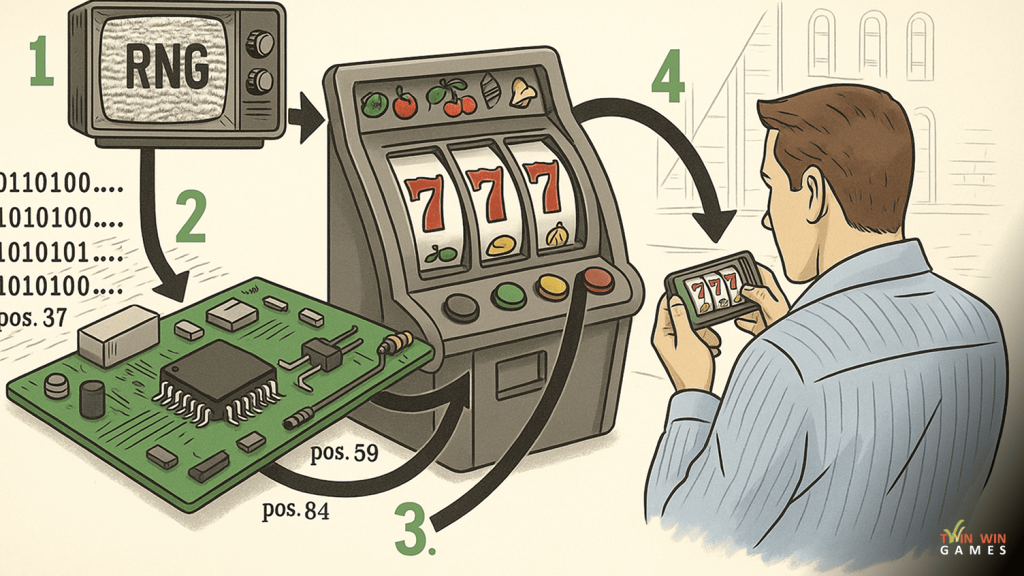
At the heart of this new era was the Random Number Generator (RNG) – a microprocessor constantly cycling through number sequences at high speed. The moment a player hits spin, the RNG captures a value that determines the outcome. This shift moved fairness from the mechanical integrity of the reels to the mathematical integrity of the algorithm. The UK Gambling Commission’s strict technical standards evolved to rigorously certify these RNGs, ensuring every digital spin was truly random and independent.
UK CAD/CAM’s Pivotal Role in Hardware Design
As the internal technology transformed, so did the engineering disciplines required to design and manufacture the hardware. This is where our expertise in UK CAD CAM engineering became indispensable. Moving from manual drafting to sophisticated 3D modelling and CNC programming allowed for a new era of precision, durability, and security in cabinet and component design, specifically tailored for the domestic market.
Designing for Durability: Cabinets for the British Pub Environment
Using CAD software, engineers could simulate stress, wear, and even anti-tamper features long before a prototype was built. Cabinets for the UK market had to be exceptionally robust to endure the high traffic of pubs and arcades, resist liquid spills, and prevent unauthorised access. Digital prototyping enabled the creation of complex, curved forms that were both aesthetically pleasing and structurally sound, a hallmark of British industrial design.
Precision Components: How CNC Machining Elevated Internal Mechanisms
While the game logic went digital, many critical hardware components remained – and demanded higher precision than ever. Bill acceptors, coin mechanisms, and button assemblies required flawless reliability. This was achieved through CNC-milled aluminium and steel parts. For instance, the use of CNC-milled aluminium for durable coin entry mechanisms in UK models ensured consistent operation, reduced jams, and heightened security against fraud, directly supporting compliance with the UK Gambling Commission’s strict technical standards.
The Networked Era: Linked Progressives and Central Systems
The next major engineering challenge was connectivity. Players dreamed of life-changing jackpots, which led to the development of linked progressive networks, where machines across multiple locations contributed to a single, growing prize. This required a new layer of hardware and systems engineering:
- Secure, dedicated data lines or encrypted wireless links between machines and a central server.
- Tamper-proof communication hardware within each cabinet to transmit contribution data.
- Robust cabinet electronics capable of network handshaking and operating as part of a wider system.
- Full audit trails to satisfy UKGC regulations on jackpot verification and financial transparency.
This era turned the standalone slot machine into a networked terminal, adding another layer of complexity for UK manufacturers like Bell-Fruit and Barcrest to master.
The Software Takeover: Transition to HTML5 and Digital Platforms
The final, ongoing evolution sees hardware ceding ultimate dominance to software. With the advent of HTML5 and powerful server-side game engines, the slot machine’s ‘brain’ has largely migrated to the cloud. The cabinet is increasingly a high-quality delivery vehicle for streaming content.
Hardware as a Terminal: The Diminishing Role of Physical Logic
In modern digital platforms, the cabinet’s internal electronics no longer run the core game. Instead, they act as a secure terminal, displaying a video stream, capturing touch inputs, and managing peripheral hardware like ticket printers. The RNG is often overseen by a central system, further standardising and securing game fairness. This shift has profound implications for UK casino hardware manufacturing, focusing value on reliability, connectivity, and player interface rather than proprietary game logic boards.
The Modern Cabinet: Aesthetics and Ergonomics in the Digital Age
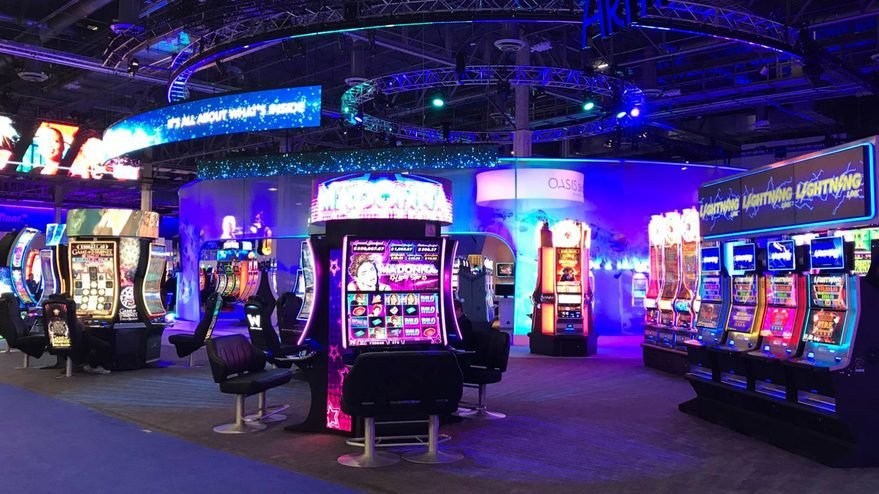
With the processing burden lifted, British industrial design for gambling equipment now focuses on the human-machine interface. The modern cabinet is a feat of ergonomics and aesthetics: large, high-definition curved screens, immersive surround sound systems, intuitive multi-touch screens, and comfortable, inviting physical forms. The engineering challenge is seamlessly integrating these elements into a durable, serviceable, and visually stunning unit that can host an ever-changing library of server-delivered games.
From the clockwork innards of a pub fruit machine to the streaming digital spectacle of a modern casino floor, the slot machine’s evolution is a testament to engineering adaptation. While its purpose has transformed from mechanical randomiser to digital entertainment portal, the necessity for British industrial design rigor, precision manufacturing, and adherence to the UK’s robust regulatory framework remains constant. It is this engineering excellence that continues to create the trusted, reliable, and engaging interface between the player and the game.